


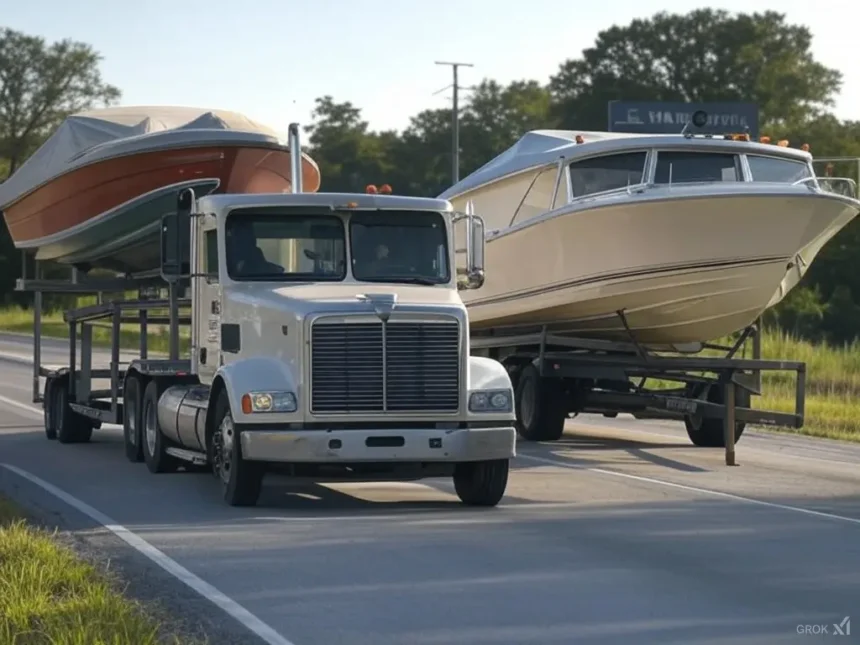
International boat transportation is a specialized service that enables boat owners, dealers, and manufacturers to move vessels across countries and continents. Whether relocating a yacht to a new marina, exporting boats for sale, or transporting a vessel for personal use, understanding shipping options and logistics is essential for a smooth and cost-effective experience.
This guide provides a detailed overview of international boat transportation, including shipping methods, logistics, costs, and best practices to ensure your vessel reaches its destination safely.
What Is International Boat Transportation?
International boat transportation involves shipping watercraft across international borders using sea, land, or occasionally air freight. Unlike domestic transport, it requires coordination between multiple parties, including shipping companies, port authorities, customs officials, and logistics providers.
From small recreational boats to luxury yachts, each shipment requires careful planning, proper documentation, and compliance with international regulations.
Common Shipping Options for International Boat Transport
There are several shipping methods available depending on the size of the boat, budget, and destination.
1. Container Shipping
Container shipping is one of the most secure methods for transporting small to mid-sized boats internationally.
- Boats are placed inside standard shipping containers
- Offers maximum protection from weather and external damage
- Ideal for boats under 40 feet
This method is widely used due to its affordability and safety, especially for long-distance transport.
2. Roll-On/Roll-Off (RoRo) Shipping
RoRo shipping allows boats mounted on trailers to be driven directly onto a vessel.
- Cost-effective option
- Faster loading and unloading
- Suitable for trailer-mounted boats
However, the boat is exposed to environmental conditions during transit, which may require additional protective measures.
3. Flat Rack Shipping
Flat rack shipping is used for larger boats that cannot fit into containers.
- Boats are secured on an open rack
- Ideal for oversized vessels
- Common for international yacht transport
This method provides flexibility for transporting wider and taller boats that exceed container dimensions.
4. Lift-On/Lift-Off (LoLo) Shipping
In this method, cranes are used to lift boats onto cargo ships.
- Suitable for heavy and large vessels
- Allows transport without trailers
- Requires specialized equipment
LoLo shipping is often used for high-value yachts and boats that require careful handling.
5. Yacht Transport Ships
Dedicated yacht transport vessels are designed specifically for moving luxury yachts.
- Boats are loaded onto semi-submersible ships
- Minimal wear and tear
- Ideal for high-end yacht owners
This premium option ensures maximum safety and convenience.
Understanding Logistics in International Boat Transportation
Logistics plays a critical role in ensuring smooth boat transportation. It involves coordination, documentation, and compliance with regulations.
1. Route Planning
Shipping routes are determined based on:
- Distance between origin and destination
- Port accessibility
- Weather conditions
- Shipping schedules
Efficient route planning minimizes delays and reduces costs.
2. Customs Clearance
Every international shipment must go through customs procedures.
Key requirements include:
- Bill of lading
- Proof of ownership
- Export/import documentation
- Duty and tax payments
Failure to comply can result in delays or additional charges.
3. Port Handling
Ports handle the loading and unloading of boats.
- Use of cranes and lifting equipment
- Storage facilities for temporary holding
- Inspection procedures
Port fees are an important component of overall shipping costs.
4. Inland Transportation
Once the boat arrives at the destination port, it may need further transport via road or inland waterways.
For example, large boat transport services are often required to move oversized vessels from ports to marinas or final destinations. These services involve specialized trailers, permits, and experienced operators to ensure safe delivery.
Cost of International Boat Transportation
The cost of shipping a boat internationally varies significantly depending on several factors.
Key Cost Factors:
- Boat Size and Weight
Larger boats require more space and specialized handling, increasing costs. - Shipping Method
Container shipping is generally cheaper than yacht transport vessels. - Distance and Destination
Longer distances and remote locations increase shipping expenses. - Port Fees and Duties
Customs duties, taxes, and port handling charges add to the total cost. - Insurance Coverage
Comprehensive insurance is recommended for international shipments.
Estimated Costs:
- Small boats: $2,000 – $10,000
- Mid-sized boats: $10,000 – $30,000
- Large yachts: $30,000 – $100,000+
Costs can fluctuate based on fuel prices, seasonal demand, and global shipping conditions.
Preparing Your Boat for International Shipping
Proper preparation is essential to prevent damage during transit.
Steps to Prepare:
- Clean the boat thoroughly
- Remove personal belongings
- Secure loose items
- Disconnect batteries
- Drain fuel and water tanks (if required)
- Cover and protect sensitive areas
Taking these steps ensures compliance with shipping requirements and reduces the risk of damage.
Documentation Required for International Boat Shipping
Accurate documentation is crucial for a smooth shipping process.
Common Documents:
- Bill of Sale
- Boat Registration
- Insurance Certificate
- Customs Declaration Forms
- Export/Import Permits
Working with an experienced shipping company can simplify the documentation process.
Challenges in International Boat Transportation
While international shipping offers many benefits, it also comes with challenges.
1. Complex Regulations
Different countries have varying import/export rules, making compliance challenging.
2. Weather Delays
Ocean shipping is affected by weather conditions, which can cause delays.
3. High Costs
Shipping large vessels internationally can be expensive.
4. Risk of Damage
Improper handling or inadequate protection can lead to damage.
Benefits of Professional Boat Shipping Services
Hiring a professional boat transport company provides several advantages:
1. Expertise and Experience
Professionals understand the complexities of international shipping.
2. Time Savings
They handle logistics, documentation, and coordination.
3. Safety and Security
Proper equipment and handling reduce the risk of damage.
4. Insurance Protection
Coverage ensures financial security in case of unforeseen issues.
Tips for Choosing the Right Boat Transport Company
Selecting a reliable shipping provider is crucial.
Consider the Following:
- Industry experience
- Customer reviews and testimonials
- Licensing and certifications
- Transparent pricing
- Insurance coverage
- Global shipping network
Always compare multiple providers before making a decision.
Future Trends in International Boat Transportation
The industry is evolving with technological advancements and increased demand.
Emerging Trends:
- Digital booking and tracking systems
- Eco-friendly shipping solutions
- Improved safety standards
- Growth in global boating markets
These trends are making international boat transportation more efficient and accessible.
Conclusion
International boat transportation is a complex but essential service for moving vessels across borders. With multiple shipping options such as container shipping, RoRo, flat rack, and yacht transport vessels, boat owners have a range of choices depending on their needs and budget.
Understanding the logistics, costs, and preparation steps involved can help ensure a smooth and successful shipping experience. By working with experienced professionals and planning ahead, you can transport your boat safely and efficiently to any destination worldwide.